Most B2B companies have a lead generation tool graveyard. Apollo collecting dust. A Clay subscription nobody ever learned properly. Three different cold email platforms half-configured.
The problem isn’t the tools. It’s that nobody organized them by what stage of the pipeline they actually solve.
This guide cuts through that. Every tool listed here earns its place by solving a specific job: finding prospects, enriching data, sending outreach, or converting replies into meetings. That’s how you build a stack that works — not by adding tools, but by being deliberate about which problem each one fixes.
Index
What You’ll Learn in This Guide:
- Why Most B2B Companies Struggle – The real problem isn’t tools, it’s process
- Common Mistakes That Kill Results – 5 critical errors costing you meetings and revenue
- Lead Generation Techniques That Work in 2025 – Intent data, social triggers, and ABM integration
- The Complete Tool Ecosystem – What you actually need vs. what vendors sell you
- Top 10 Lead Generation Tools (Deep Dive) – Real reviews from actual usage, not marketing hype
- The SFC Framework – Our exact 5-phase system for booking 30+ meetings monthly
- Tool Integration Strategies – Making your stack work together seamlessly
- Success Metrics That Matter – KPIs that correlate with actual business growth
Common Mistakes That Kill Lead Generation Results
After working with hundreds of B2B companies, I’ve seen the same mistakes repeated over and over.
Here’s how to avoid them:
Mistake #1: Focusing on Volume Over Quality
The Problem: Blasting 10,000 generic emails and wondering why response rates are under 1%.
The Solution: Target 1,000 highly-qualified prospects with personalized messaging.
Real Numbers:
- Generic approach: 10,000 emails → 1% response → 100 replies → 20 meetings → 4 deals
- Targeted approach: 1,000 emails → 15% response → 150 replies → 45 meetings → 18 deals
Mistake #2: Tool Hopping Instead of Process Building
The Problem: Switching tools every 3 months instead of optimizing what you have.
The Solution: Pick 3-4 core tools and master them completely.
The Reality: I know companies crushing it with basic tools, and others failing with $50K+ tool stacks.
Mistake #3: Ignoring Data Hygiene
The Problem: Sending emails to outdated contact lists with 40% bounce rates.
The Impact:
- Damaged sender reputation
- Lower deliverability rates
- Wasted outreach efforts
- Frustrated sales team
The Solution: Clean your lists monthly and maintain 90%+ accuracy.
Mistake #4: No Follow-Up Sequences
The Problem: Sending one message and giving up when prospects don’t respond.
The Statistics:
- 2% of sales happen on first contact
- 80% happen between fifth and twelfth contact
The System: Build 6-8 touch sequences across multiple channels over 45-60 days.
Mistake #5: Measuring Vanity Metrics
The Problem: Focusing on open rates and click rates instead of meetings booked and revenue generated.
Metrics That Matter: Cost per qualified meeting · Meeting-to-opportunity conversion · Pipeline velocity · Revenue per lead
Why Most B2B Companies Struggle with Lead Generation?
Most B2B companies don’t have a tools problem — they have a process problem. I’ve seen businesses spend $50,000+ annually on lead generation software while their sales team struggles to book 10 qualified meetings per month. Meanwhile, scrappy startups with a $200/month tool stack are consistently hitting their revenue targets.
The difference? System thinking.
The Winners Focus On:
- Quality over quantity (1000 highly-targeted prospects beat 10,000 random contacts)
- Multi-channel approaches (LinkedIn + email + phone = magic)
- Consistent follow-up (80% of sales require 5+ touchpoints)
- Data hygiene (clean data = better deliverability = more meetings)
Lead Generation Techniques That Actually Work in 2025
1. Intent Data Integration
What It Is: Using tools to identify companies actively researching your solution category.
Tools That Help: Clay (signals via Claygent, job postings, tech stack detection)
2. Social Media Trigger Events
Trigger Events to Monitor: Job changes or promotions · Company funding announcements · Content posts about industry challenges · Conference attendance
3. Account-Based Marketing (ABM) Integration
Coordinate lead generation with marketing campaigns for target accounts. Marketing runs LinkedIn/Google ads to target accounts while sales follows up with personalized outreach.
Results: 60% higher engagement rates when prospects see coordinated messaging.
The Complete Lead Generation Tools Ecosystem
| Stage | What Happens | Tools You Need |
|---|---|---|
| Research & Targeting | Find your ideal prospects | LinkedIn Sales Navigator, Apollo, Clay |
| Data Enrichment | Get verified contact info | Clay, Apollo |
| Personalization | Craft relevant messages | OpenAI, Claygent |
| Cold Outreach | Actually reach your prospects | Instantly, GetSales, HeyReach |
| Follow-up & Nurturing | Stay top of mind | Beehiiv |
| CRM & Tracking | Track what’s working | Breakcold, GHL |
The Top 10 Best Lead Generation Tools for B2B Success
1. Apollo.io: The Swiss Army Knife of B2B Prospecting

Apollo combines a 275M+ contact database with email sequencing. Reliable, affordable ($49-149/mo), and plays nicely with every CRM.
Best for: All-in-one prospecting without managing multiple vendors.
2. Clay: The AI-Powered Lead Generation Engine

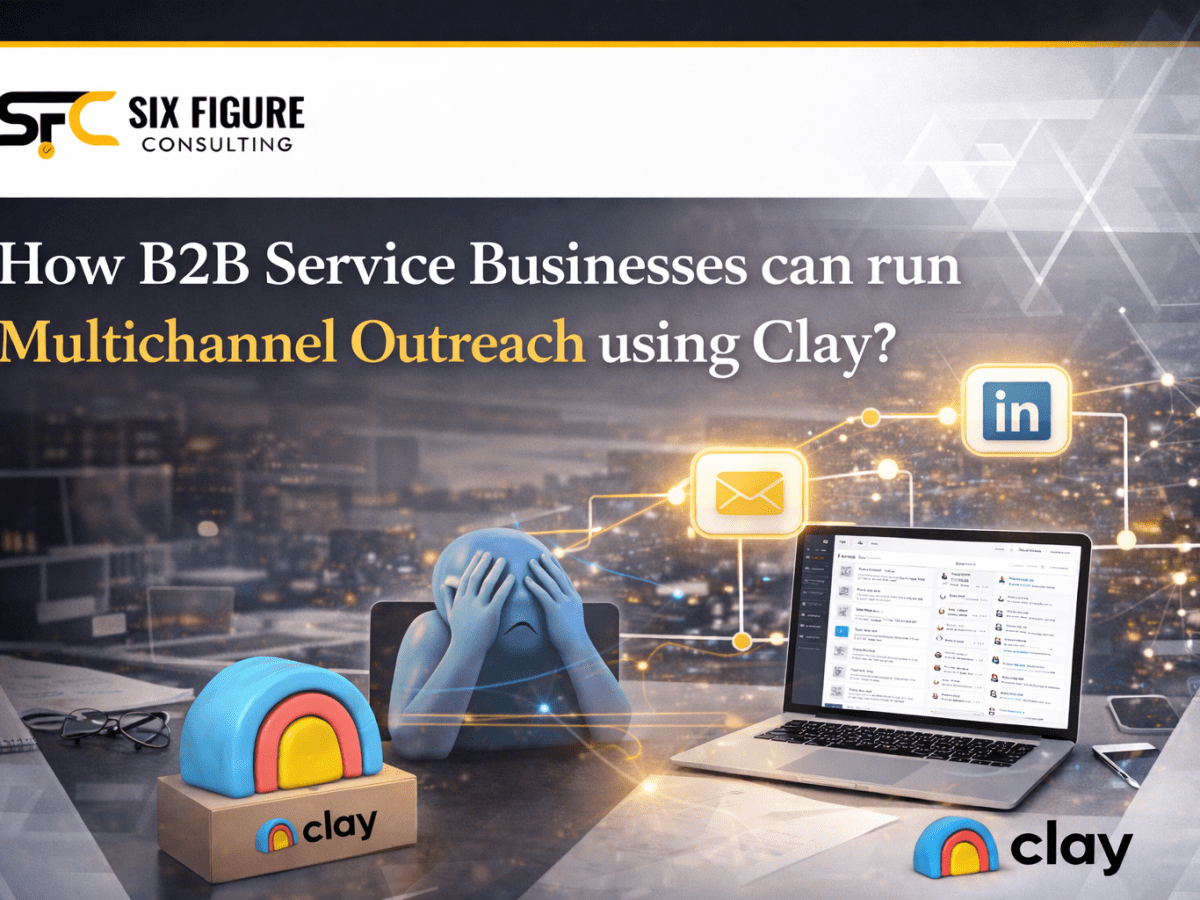
Clay pulls data from 75+ sources, runs AI research via Claygent, and generates hyper-personalized outreach at scale. If you get comfortable with it, it’s the most powerful tool in this list. Consider Unlock Clay to learn it in 5 hours.
3. Instantly.ai: Cold Email That Actually Works
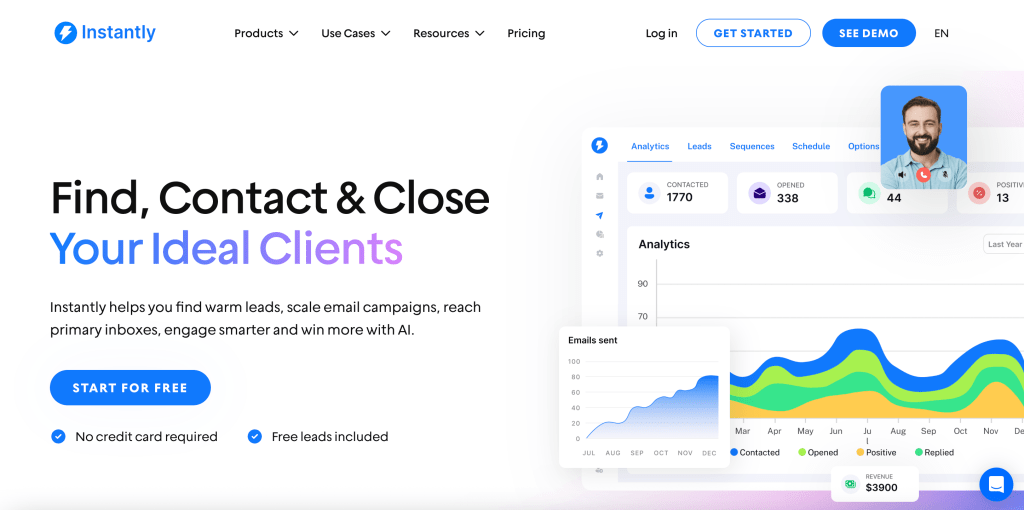
Instantly manages unlimited email sender accounts with a focus on deliverability. Unlimited inboxes, smart rotation, and detailed analytics. Best for high-volume cold email where deliverability is the priority.
4. GetSales.io: LinkedIn Outreach Done Right

GetSales.io automates LinkedIn + cold email using cloud-based servers — not browser extensions that risk your account. Cloud-based = safer. One client books 15-20 meetings monthly at ~$5 per meeting.
5. HeyReach: The Agency-Grade LinkedIn Automation
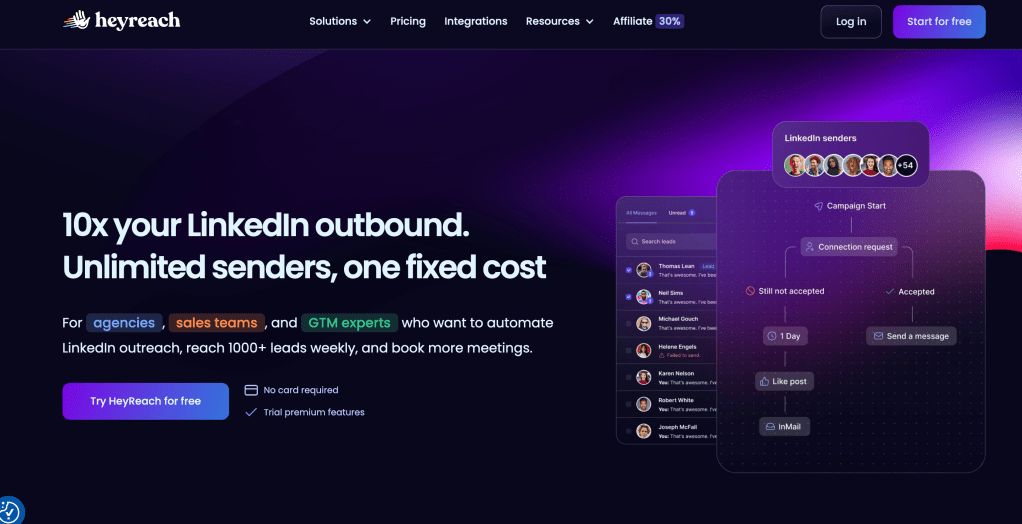
HeyReach manages LinkedIn outreach across multiple accounts from one dashboard. Multi-account management, team collaboration, advanced safety. Built for agencies managing outreach for 5+ clients simultaneously.
6. LinkedIn Sales Navigator: The Foundation
The most advanced targeting filters available. Save searches, track job changes, get alerts on prospect activity. Yes it’s $99/month. Trying to do B2B outreach without it is like cooking without a kitchen.
7. Beehiiv: Newsletter & Lead Nurturing
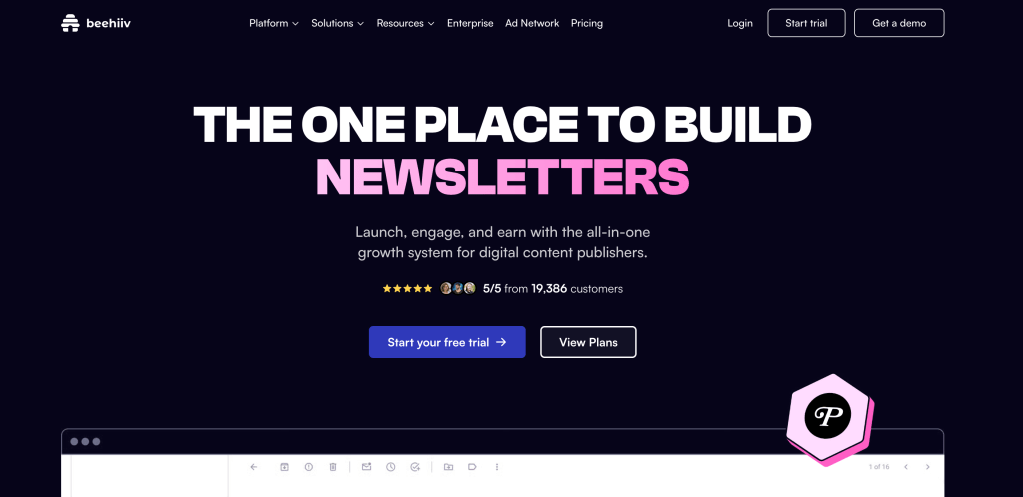
Beehiiv is for companies building genuine long-term relationships through valuable content. Superior deliverability, advanced segmentation, and analytics that show subscriber behavior. Our own newsletter Six Figure AI Outreach runs on Beehiiv.
8. GoHighLevel: All-in-One Hub
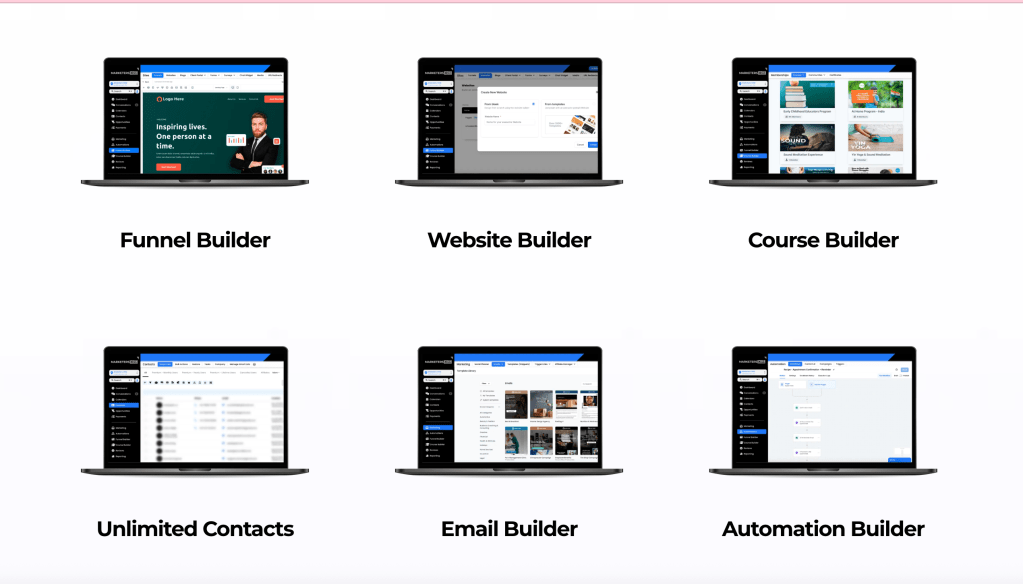
GoHighLevel handles SMS, WhatsApp, email, calling, and AI follow-up from one dashboard. Replaces 5-8 tools. One client reduced tool costs by 60% while increasing meeting bookings by 180%.
9. Breakcold: Social CRM
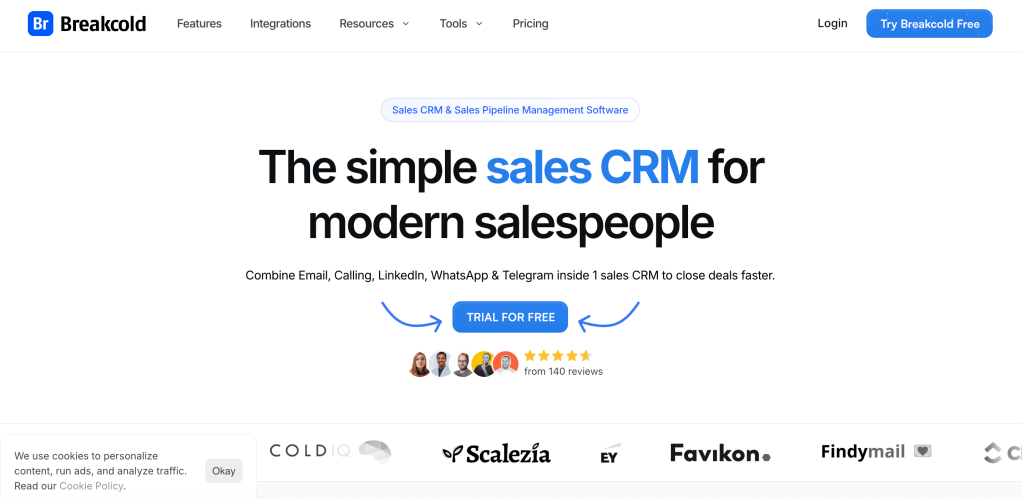
Breakcold turns LinkedIn social activity into structured CRM data — relationship scoring based on actual engagement history. Ideal for relationship-focused sellers who engage before pitching.
10. Skool: Community Management & Lead Nurturing
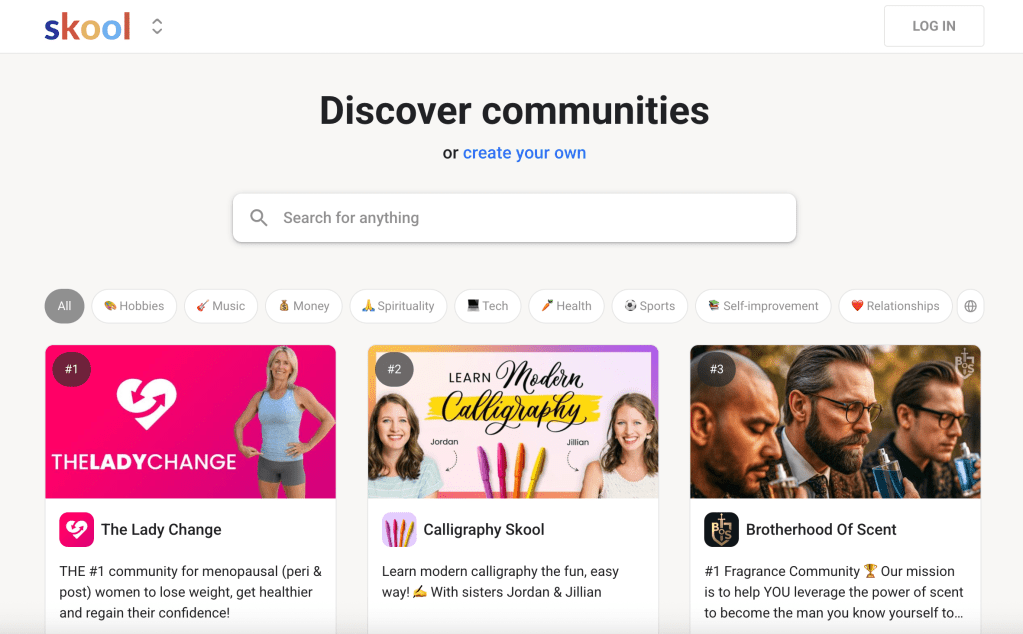
Skool is where prospects come to you and self-qualify through participation. One agency grew a 2,000-member community in 6 months, now generating 25+ qualified leads monthly with a 45% close rate.
The SFC Framework: How We Book 30+ Meetings Monthly

Phase 1: Research & List Building — LinkedIn Sales Nav + Apollo + Clay. Build 500-1,000 signal-scored prospects. Target 90%+ data accuracy.
Phase 2: Personalization — ChatGPT + Claygent. One-sentence personalized hooks based on specific trigger events.
Phase 3: Multi-Channel Outreach — Instantly for email + GetSales for LinkedIn. Day 1 email → Day 3 LinkedIn connection → Day 7 follow-up email → Day 14 LinkedIn DM → Day 21 case study → Day 30 final attempt.
Phase 4: Conversation Management — Positive replies get calendar links immediately. Follow up if no booking within 24 hours.
Phase 5: Analytics & Optimization — Track cost per meeting, meeting show rate, pipeline velocity. A/B test one variable per week.
Conclusion: Systems Beat Tools
The companies booking 30+ meetings monthly aren’t using better tools. They’re using tools more deliberately — each one assigned to a specific job in a system that runs consistently.
Start with 3-4 core tools. Master them. Build the system. Then optimize.
👉 View Our Packages · Book a Strategy Call
📧 Weekly GTM Newsletter: Real campaign breakdowns, tool reviews, and outbound frameworks. Subscribe here →

Leave a comment